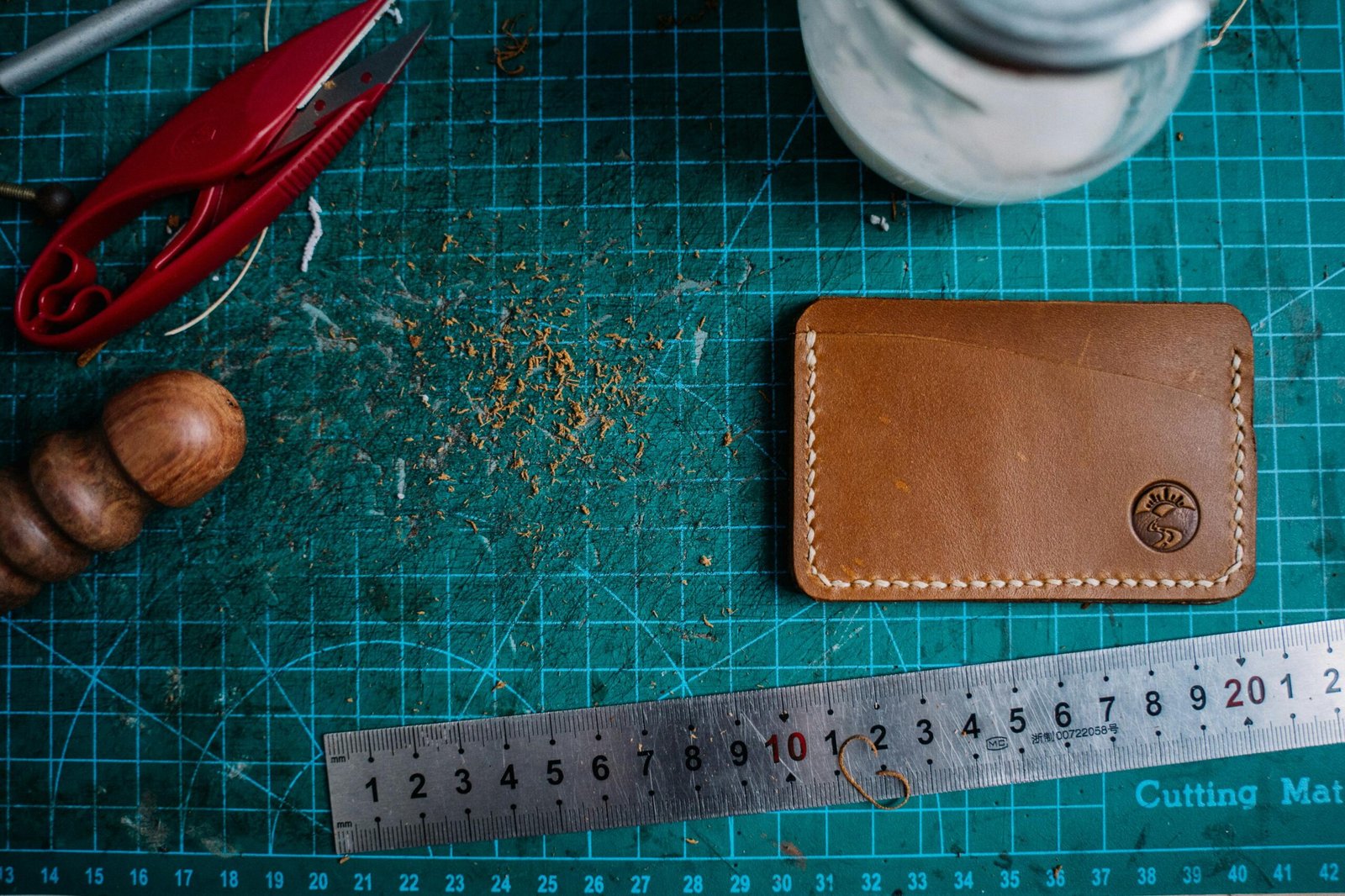
Zuschneidfelle: A Comprehensive Guide to Leather Cutting, Craftsmanship, and Professional Techniques
Leatherworking is a timeless craft that combines artistry, precision, and functionality. Among the most essential techniques in this field is Zuschneidfelle, the specialized process of cutting leather into precise shapes, patterns, and sizes for various applications. From artisanal leather goods and fashion accessories to industrial products and upholstery, the quality of leather cutting directly influences the final product’s aesthetics, durability, and usability.
Zuschneidfelle is more than a basic skill—it represents the foundation of efficient leather processing and material optimization. Mastering it requires understanding the properties of different leathers, selecting appropriate tools, and applying systematic methods to achieve precise cuts. This comprehensive guide explores the meaning of Zuschneidfelle, the tools and techniques involved, practical applications, best practices, and the long-term benefits for both professional leatherworkers and hobbyists.
Understanding Zuschneidfelle and Its Importance
The term Zuschneidfelle originates from German craftsmanship traditions and translates roughly to “cutting of hides or skins.” It specifically refers to the careful and methodical cutting of leather into usable pieces without compromising quality or structural integrity. Leather is a natural material with unique characteristics such as grain patterns, thickness variations, and tensile strength. Zuschneidfelle ensures that each cut is precise, consistent, and aligned with the intended purpose of the leather piece.
Proper execution of Zuschneidfelle reduces waste, maximizes material usage, and prepares leather for subsequent processes such as stitching, embossing, dyeing, or assembly. In professional leatherworking environments, poorly executed cuts can lead to defective products, increased costs, and diminished brand reputation. Hence, mastering Zuschneidfelle is crucial for efficiency and high-quality craftsmanship.
Tools Required for Zuschneidfelle
Successful leather cutting depends heavily on the quality and suitability of the tools used. Essential tools for Zuschneidfelle include:
-
Cutting Knives: Sharp knives with ergonomic handles enable controlled, precise cuts. Different blade shapes accommodate straight, curved, or intricate patterns.
-
Rotary Cutters: Ideal for consistent, long, straight cuts in thinner leather sheets.
-
Cutting Mats: Protect surfaces and extend the life of blades while providing a stable base for accuracy.
-
Rulers and Templates: Ensure dimensional accuracy, straight edges, and repeatable patterns.
-
Leather Shears: Heavy-duty scissors designed for thicker or tougher hides.
-
Marking Tools: Chalk, pencils, or specialized pens indicate cutting lines without damaging the leather surface.
Selecting high-quality tools enhances accuracy, reduces material loss, and improves workflow efficiency. Regular maintenance, such as blade sharpening, ensures consistent results in professional or hobbyist settings.
Techniques and Best Practices in Zuschneidfelle
Mastering Zuschneidfelle requires a combination of technique, patience, and understanding of leather properties. Key techniques include:
-
Pattern Placement and Layout: Before cutting, position templates efficiently to minimize waste and maximize usable material. Consider grain direction and natural markings for aesthetic alignment.
-
Consistent Cutting Pressure: Apply uniform pressure to maintain smooth edges and prevent tearing. Overly aggressive cuts may damage leather fibers.
-
Straight and Curved Cuts: Use rulers and templates for straight cuts, while freehand or curved templates guide precise curves. Proper cutting angles prevent edge fraying.
-
Layered Cutting: Thicker leather may require multiple passes to achieve clean cuts without blade deformation.
-
Edge Finishing: After cutting, edges can be smoothed, burnished, or polished to enhance appearance and durability.
Adhering to best practices ensures quality and consistency in every project, whether producing belts, wallets, bags, upholstery, or custom leather designs.
Applications of Zuschneidfelle
Zuschneidfelle is foundational in numerous leatherworking applications:
-
Fashion and Accessories: Belts, handbags, wallets, and footwear require precise cutting to achieve uniformity and style.
-
Upholstery and Furniture: Leather panels for chairs, sofas, or automotive interiors must fit exact dimensions and maintain structural integrity.
-
Industrial Uses: Protective gear, tool holsters, and technical components rely on accurate cutting to meet safety and functional standards.
-
Custom Craft Projects: Artisanal products, decorative items, and personalized designs demand meticulous cutting to ensure aesthetic appeal.
Understanding the intended application guides cutting decisions, tool selection, and material preparation, reinforcing the value of Zuschneidfelle in professional and creative environments.
Efficiency, Material Optimization, and Sustainability
An important aspect of Zuschneidfelle is reducing waste while maintaining quality. Proper layout planning, cutting sequence, and precision minimize offcuts and maximize usable material. Efficient cutting reduces cost, conserves resources, and promotes sustainability in leather production.
For businesses, optimizing material usage enhances profitability and reduces environmental impact. Hobbyists also benefit from efficiency, allowing more projects to be completed with limited resources.
Training and Skill Development
Developing proficiency in Zuschneidfelle requires practice, patience, and familiarity with various leather types. Beginners should start with smaller projects and gradually progress to complex patterns and thicker hides. Workshops, online tutorials, and mentorship programs accelerate skill acquisition and provide practical guidance on advanced techniques.
Consistent practice enhances hand-eye coordination, precision, and confidence, leading to higher-quality products and professional craftsmanship.
Conclusion
Zuschneidfelle is a cornerstone of leatherworking, combining precision, efficiency, and creativity to produce high-quality leather goods. Mastering this technique ensures material optimization, reduces waste, and enables artisans to create products that are both functional and visually appealing. From fashion and upholstery to industrial applications and artisanal crafts, Zuschneidfelle underpins the success of any leather-based project.
Whether for professionals or hobbyists, understanding the principles, tools, and techniques of Zuschneidfelle allows for consistent results, enhanced craftsmanship, and sustainable practices. Mastery of this art contributes not only to superior product quality but also to the long-term growth and reputation of leathercraft businesses and individuals.
Frequently Asked Questions (FAQ)
What is Zuschneidfelle?
Zuschneidfelle is the specialized technique of cutting leather into precise patterns and shapes for various professional, artisanal, and industrial applications.
Why is Zuschneidfelle important?
It ensures precision, reduces material waste, and prepares leather for subsequent processes like stitching, dyeing, or assembly.
What tools are needed for Zuschneidfelle?
Essential tools include cutting knives, rotary cutters, cutting mats, rulers, templates, leather shears, and marking instruments.
Which applications benefit most from Zuschneidfelle?
Fashion accessories, furniture and automotive upholstery, industrial leather components, and custom craft projects rely heavily on precise leather cutting.
How can beginners improve their Zuschneidfelle skills?
Practice with smaller projects, study templates, use proper tools, and follow step-by-step tutorials or workshops to build accuracy and confidence.