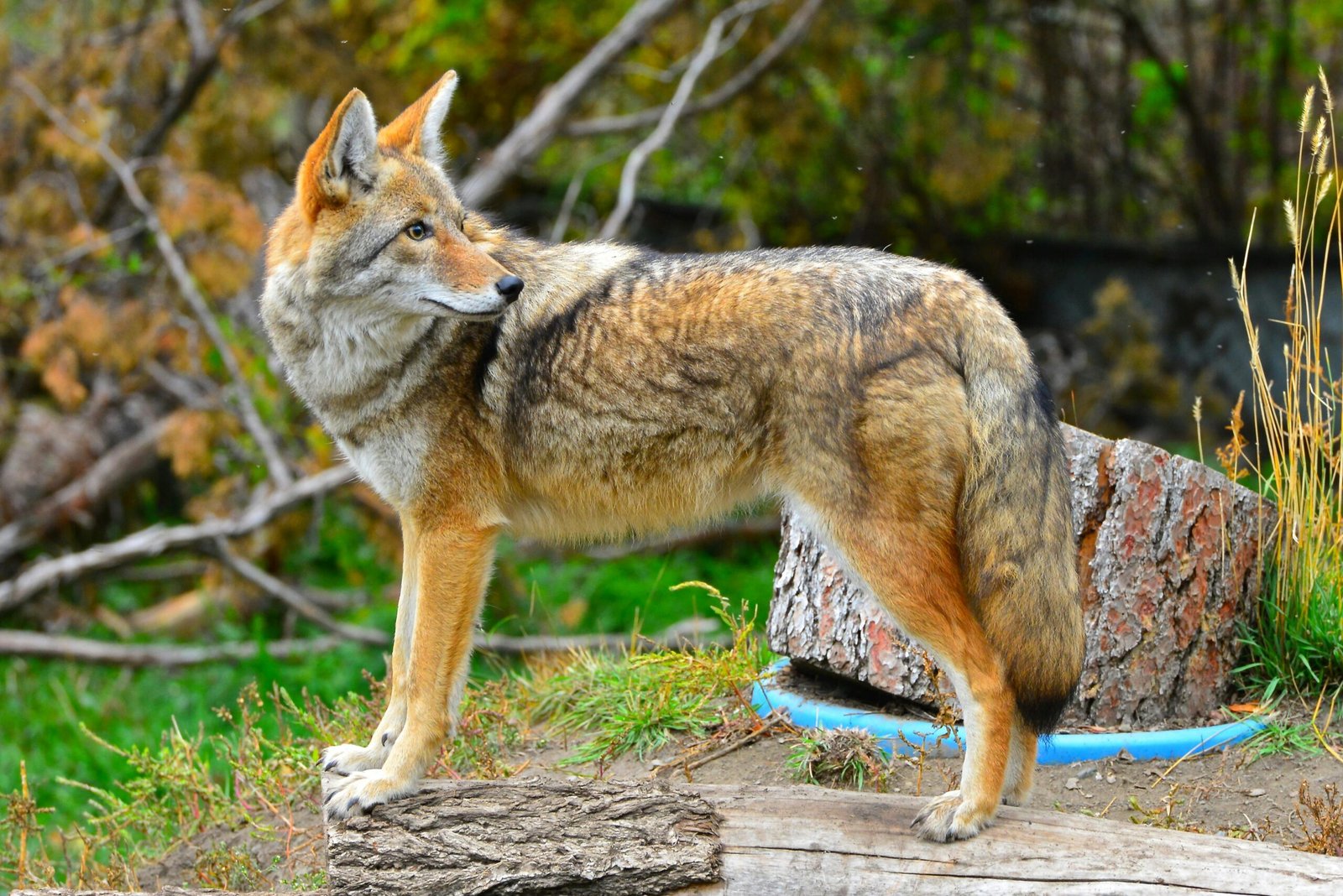
Coyote Call: The Ultimate Guide to Choosing, Using, and Mastering Coyote Calls
The term coyote call is one of the most searched phrases among predator hunters, wildlife enthusiasts, and outdoor survivalists. Whether you are a beginner learning how to attract coyotes or an experienced hunter refining your calling strategy, understanding how a coyote call works can dramatically improve your success rate in the field. Coyotes are intelligent, highly adaptable predators found across North America, and calling them effectively requires knowledge of sound types, timing, equipment selection, and behavioral patterns.
This comprehensive guide explores everything you need to know about the coyote call, including types of calls, how they work, when to use them, common mistakes, and advanced strategies for increasing response rates. If your goal is to rank for the keyword “coyote call” while providing real value to readers, this long-form article delivers in-depth, structured, and SEO-optimized content designed to meet both search engine and user expectations.
What Is a Coyote Call?
A coyote call is a device or tool used to mimic natural sounds that attract coyotes. These sounds typically replicate prey distress noises, territorial howls, or pup vocalizations. Coyotes respond to these sounds either out of hunger, curiosity, territorial defense, or social instinct. Because coyotes are highly responsive to audio cues, the effectiveness of a well-executed call can be remarkable when used correctly.
Coyote calls are widely used in predator hunting, wildlife management, livestock protection, and population control efforts. They are also used by photographers and wildlife observers who want to draw coyotes closer for observation without causing harm. The science behind calling relies heavily on understanding coyote behavior, seasonal patterns, and environmental conditions.
Types of Coyote Calls
Understanding the different types of coyote calls is crucial for choosing the right one for your hunting situation.
1. Mouth (Hand) Calls
Mouth calls are manually operated devices that require the user to blow air through a reed system to produce sound. They are affordable, lightweight, and highly versatile. Skilled hunters can produce a wide range of realistic sounds using mouth calls, including rabbit distress cries, rodent squeaks, and coyote howls. However, they require practice and breath control to master.
2. Electronic Coyote Calls
Electronic calls use pre-recorded digital sounds and speakers to broadcast realistic animal noises. These devices often come with remote controls, allowing hunters to position the call away from their location. This separation increases the chances of attracting coyotes without revealing the hunter’s position. Electronic calls are especially effective for beginners or those seeking convenience and consistency.
3. Open Reed Calls
Open reed calls offer flexibility in pitch and tone. Hunters can manipulate sound variation by adjusting lip pressure and airflow. This type of coyote call is popular among experienced callers because it allows for natural variation that mimics real prey.
4. Closed Reed Calls
Closed reed calls are simpler and easier to use. They produce consistent tones and are ideal for beginners learning the basics of predator calling.
Best Coyote Call Sounds and When to Use Them
Different situations require different sounds. Timing and season play critical roles in choosing the right coyote call.
Distress Calls
Prey distress sounds, such as rabbit distress or rodent squeaks, are effective year-round. Coyotes are opportunistic hunters and respond quickly to signs of vulnerable prey.
Coyote Howls
Howling is especially effective during breeding season and territorial disputes. A lone howl can signal the presence of another coyote, prompting a territorial response.
Pup Distress Calls
Pup distress sounds trigger protective instincts, especially during spring and early summer. Adult coyotes may approach aggressively to investigate.
Using the right sound at the right time significantly increases your chances of success.
How to Use a Coyote Call Effectively
Mastering a coyote call requires more than simply making noise. Location, wind direction, camouflage, and patience all influence results. Always position yourself with the wind in your face to prevent coyotes from catching your scent. Begin with soft calling sequences and gradually increase volume. Overcalling can make coyotes suspicious, so natural pauses are essential.
Remain still and alert, as coyotes may approach silently. Scanning your surroundings frequently helps prevent missed opportunities. Additionally, setting up near natural travel corridors such as field edges, creek beds, or wooded areas improves response rates.
Common Mistakes to Avoid
Many beginners struggle with coyote calling due to simple but avoidable mistakes. Calling too loudly at the start of a session can spook nearby animals. Ignoring wind direction often results in coyotes detecting human scent before entering shooting range. Lack of concealment also reduces effectiveness, as coyotes have excellent vision and awareness.
Another common error is leaving a stand too early. Coyotes may take time to respond, especially in pressured areas. Patience is one of the most valuable skills in predator hunting.
Electronic vs. Mouth Coyote Call: Which Is Better?
The choice between electronic and mouth calls depends on experience level, hunting style, and personal preference. Electronic calls offer convenience and realistic sound libraries, making them ideal for beginners. Mouth calls provide flexibility, affordability, and greater control over sound variation. Many experienced hunters carry both types to adapt to changing conditions.
Why Coyote Calling Is Effective
Coyotes rely heavily on sound for communication and hunting. Their acute hearing allows them to detect distress calls from significant distances. Because they are naturally curious and territorial, well-executed calls trigger instinctive responses. Understanding behavioral psychology enhances your ability to use calls strategically rather than randomly.
Conclusion
A coyote call is one of the most powerful tools in predator hunting when used correctly. By understanding sound types, seasonal timing, wind direction, and proper technique, hunters can dramatically increase their success rates. Whether choosing a mouth call for versatility or an electronic call for convenience, the key lies in preparation, patience, and practice. As coyotes continue to adapt to changing environments, mastering effective calling strategies remains essential for responsible wildlife management and successful hunting experiences.
Frequently Asked Questions (FAQ)
What is the best coyote call for beginners?
Closed reed or electronic coyote calls are ideal for beginners because they are easy to operate and produce consistent sounds.
When is the best time to use a coyote call?
Early morning and late evening are generally the most effective times, especially during cooler months.
Do electronic coyote calls work better than mouth calls?
Electronic calls offer convenience and realistic sound playback, but mouth calls provide greater flexibility and control. Both can be highly effective.
How long should I call before moving locations?
Most hunters recommend calling for 15 to 30 minutes per stand before relocating.
What sound attracts coyotes the most?
Prey distress sounds, particularly rabbit distress calls, are among the most effective year-round options.
If you would like, I can also create an advanced SEO package including meta description, structured schema markup outline, internal linking strategy, and keyword density optimization plan to maximize Google ranking performance.