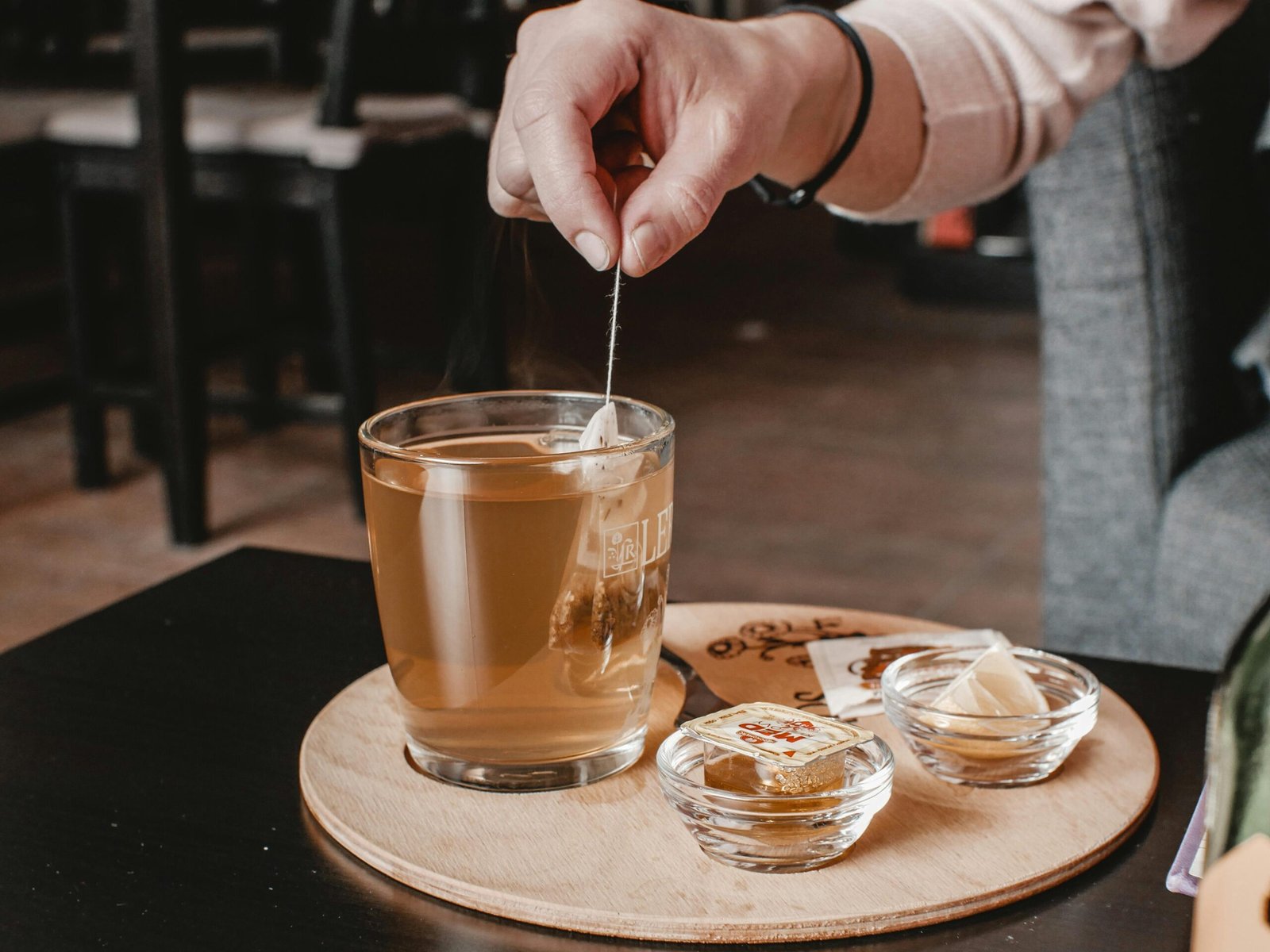
How to Make Tea: The Complete Guide to Brewing Perfect Tea Every Time
Tea is one of the most widely consumed beverages in the world, cherished for its soothing qualities, rich flavors, and cultural significance. Learning how to make tea properly is more than just boiling water and adding leaves—it is a refined process that balances temperature, timing, and technique. Whether preparing a strong cup of black tea, a delicate green tea, or a calming herbal infusion, mastering the fundamentals ensures a consistently satisfying experience. We present a comprehensive and detailed guide that transforms simple ingredients into a perfectly brewed cup of tea.
Understanding the Basics of Tea
Before exploring the process of how to make tea, it is essential to understand that different types of tea require specific brewing methods. The main categories include:
- Black Tea – Strong, bold flavor
- Green Tea – Light, fresh, and slightly grassy
- White Tea – Delicate and subtle
- Herbal Tea – Caffeine-free and aromatic
Each type responds differently to water temperature and steeping time, making precision a key element in achieving optimal taste.
Essential Ingredients and Tools
To prepare the perfect tea, the following essentials are required:
- Fresh water – Clean, filtered water enhances flavor
- High-quality tea leaves or tea bags
- Kettle or pot for boiling water
- Teapot or cup
- Strainer or infuser (for loose leaf tea)
Using quality ingredients and tools significantly improves the overall result.
Step-by-Step Guide: How to Make Tea
1. Boil Fresh Water
Start with fresh, cold water and bring it to a boil. Avoid reboiling water, as it reduces oxygen content and affects taste.
2. Choose the Right Temperature
Different teas require different temperatures:
- Black Tea: 95–100°C
- Green Tea: 70–80°C
- White Tea: 75–85°C
- Herbal Tea: 95–100°C
Using the correct temperature prevents bitterness and preserves flavor.
3. Measure the Tea
Use approximately 1 teaspoon of loose tea per cup or one tea bag per serving. Adjust based on desired strength.
4. Steep the Tea
Pour hot water over the tea and allow it to steep:
- Black Tea: 3–5 minutes
- Green Tea: 2–3 minutes
- White Tea: 4–5 minutes
- Herbal Tea: 5–7 minutes
Steeping time is crucial for extracting the right balance of flavor and aroma.
5. Strain and Serve
Remove the tea leaves or tea bag and serve immediately. Add milk, sugar, honey, or lemon as desired.
Different Methods of Making Tea
Traditional Boiled Tea
This method involves boiling tea leaves directly in water, often with milk and sugar, creating a strong and rich beverage.
Infusion Method
The most common technique, where tea is steeped in hot water without boiling the leaves.
Cold Brew Tea
Tea is steeped in cold water for several hours, resulting in a smooth and less bitter flavor.
Tips for Enhancing Tea Flavor
- Use fresh, high-quality tea leaves
- Avoid over-steeping to prevent bitterness
- Maintain proper water temperature
- Store tea in an airtight container away from light and moisture
- Experiment with natural flavors like ginger, mint, or cinnamon
These techniques ensure a consistently flavorful cup.
Health Benefits of Tea
Drinking tea offers numerous health advantages:
- Rich in antioxidants
- Supports digestion
- Promotes relaxation and stress relief
- Boosts metabolism
- Enhances hydration
Incorporating tea into daily routines contributes to overall well-being.
Common Mistakes to Avoid
Using Boiling Water for All Teas
Delicate teas like green and white tea can become bitter if brewed with excessively hot water.
Over-Steeping
Leaving tea for too long results in a harsh and unpleasant taste.
Using Low-Quality Water
Impurities in water can significantly alter the flavor of tea.
Incorrect Measurements
Too much or too little tea affects strength and balance.
How to Make Tea Like a Professional
Achieving professional-level tea requires attention to detail. Always preheat your teapot or cup to maintain temperature consistency. Use precise measurements, control steeping time carefully, and select high-quality tea varieties. Presentation also matters—serving tea in proper cups enhances the overall experience.
Tea Variations Around the World
Different cultures have unique approaches to how to make tea:
- Masala Tea (India/Pakistan): Brewed with spices, milk, and sugar
- English Breakfast Tea: Strong black tea served with milk
- Japanese Green Tea: Light and traditionally prepared with precision
- Moroccan Mint Tea: Sweetened green tea with fresh mint
Exploring these variations adds diversity to tea preparation.
Conclusion
Mastering how to make tea is a simple yet rewarding skill that enhances daily life. By understanding the importance of water quality, temperature, and steeping time, anyone can create a perfect cup tailored to their taste. Whether enjoying a robust black tea or a soothing herbal infusion, the process becomes an art that combines precision and creativity. With the right techniques and attention to detail, tea transforms from a basic beverage into a rich and satisfying experience.
Frequently Asked Questions (FAQ)
1. What is the best way to make tea?
The best method involves using fresh water, correct temperature, and proper steeping time for each tea type.
2. How long should tea be steeped?
Steeping time varies from 2 to 7 minutes depending on the type of tea.
3. Can I reuse tea leaves?
Yes, some high-quality teas can be steeped multiple times with slightly adjusted brewing times.
4. Why does my tea taste bitter?
Bitterness usually results from over-steeping or using water that is too hot.
5. Is it better to use loose tea or tea bags?
Loose tea generally offers better flavor and quality, while tea bags provide convenience.