Hunting for Geese: The Ultimate Guide to Techniques, Gear, Seasons, and Success Strategies
Hunting for geese is a time-honored outdoor pursuit that combines patience, skill, and a deep understanding of wildlife behavior. Whether conducted in open fields, wetlands, or along migratory routes, goose hunting offers both a challenging and rewarding experience. Success depends on proper preparation, the right equipment, and knowledge of seasonal patterns. We present a complete and detailed guide to hunting for geese, covering everything from essential gear and proven techniques to ethical practices and strategic planning for consistent results.
Understanding Goose Behavior and Migration
A successful approach to hunting for geese begins with understanding their natural behavior. Geese are highly social birds that travel in flocks and follow established migration routes based on seasonal changes.
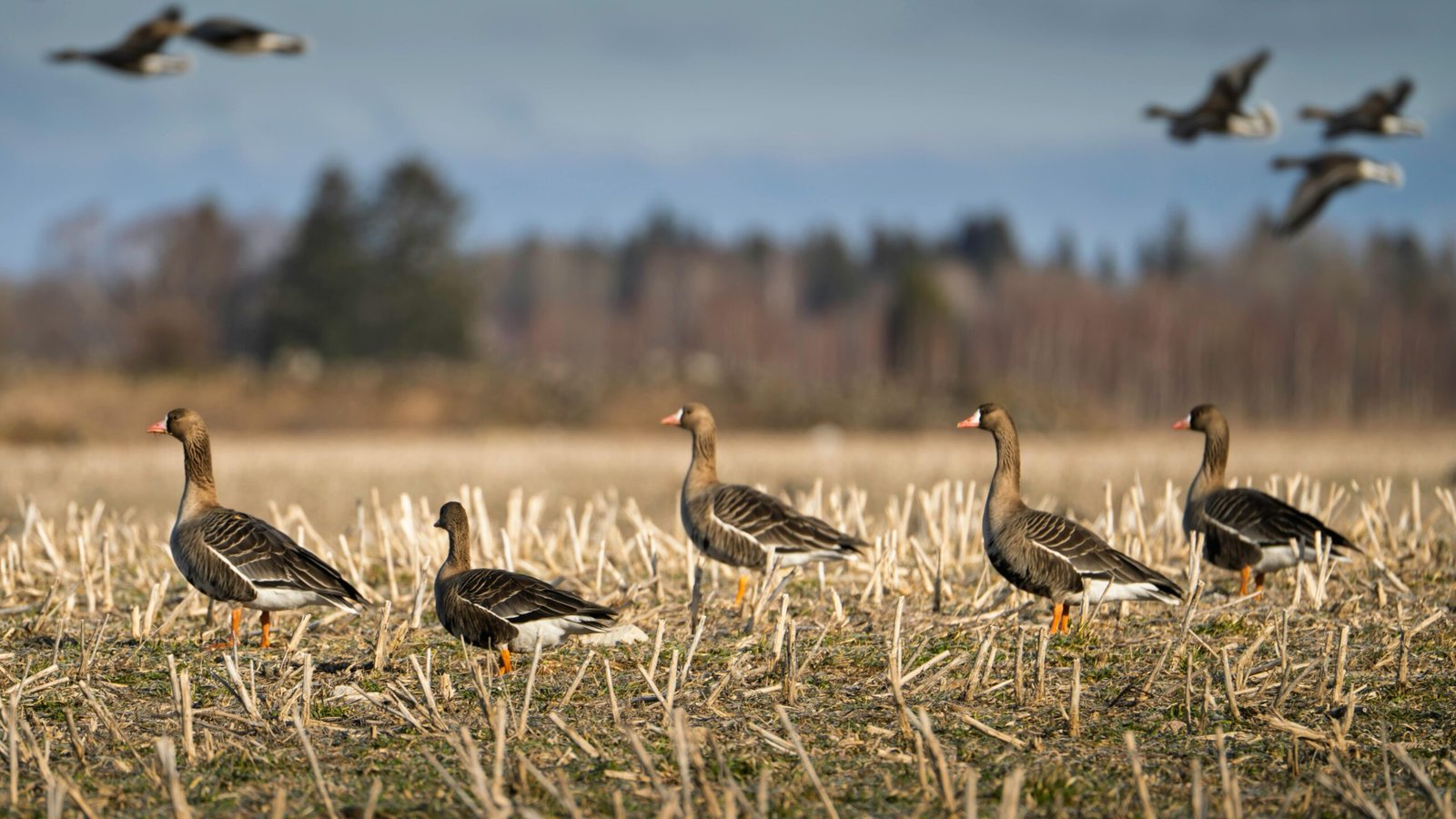
During migration, geese move between breeding and wintering grounds, often stopping in agricultural fields, lakes, and wetlands to rest and feed. Observing these patterns allows hunters to position themselves strategically. Feeding typically occurs early in the morning and late in the afternoon, making these times ideal for hunting.
Weather conditions also play a crucial role. Cold fronts and changing wind directions often trigger increased movement, providing better opportunities for hunters.
Essential Gear for Goose Hunting
Having the right equipment is critical for effective goose hunting. Each item plays a specific role in improving success rates and ensuring safety.
- Shotgun: A reliable shotgun suited for waterfowl hunting
- Ammunition: Non-toxic shot required in many regions
- Decoys: Realistic goose decoys to attract flocks
- Goose Calls: Tools used to mimic goose sounds
- Blinds: Concealment structures to remain hidden
- Camouflage Clothing: Matches the surrounding environment
High-quality gear enhances realism and increases the likelihood of attracting geese within shooting range.
Best Locations for Hunting Geese
Choosing the right location is one of the most important aspects of hunting for geese. Productive hunting areas include:
Agricultural Fields
Geese often feed on harvested crops, making fields prime hunting locations.
Wetlands and Marshes
Water sources attract geese for resting and feeding.
Lakes and Rivers
Large bodies of water serve as gathering points for migrating flocks.
Flyways
Major migration routes provide consistent opportunities during peak seasons.
Scouting locations in advance helps identify active areas and improves overall success.
Goose Hunting Techniques That Work
Decoy Setup
Effective decoy placement mimics natural flock behavior. Arranging decoys in realistic patterns encourages geese to land within range.
Calling Techniques
Using goose calls requires practice and timing. Replicating natural sounds can draw attention and guide geese toward the hunting area.
Concealment
Staying hidden is essential. Proper use of blinds and camouflage prevents geese from detecting movement.
Timing and Patience
Waiting for the right moment to take a shot ensures ethical hunting and higher success rates.
Seasonal Strategies for Goose Hunting
Different seasons require different approaches to hunting for geese:
Early Season
Geese are less pressured and more predictable, making it ideal for beginners.
Mid-Season
Birds become cautious, requiring improved calling and concealment techniques.
Late Season
Geese are highly alert and require advanced strategies, including refined decoy setups and minimal movement.
Adapting to seasonal changes is key to maintaining effectiveness throughout the hunting period.
Legal Regulations and Ethical Hunting
Responsible goose hunting involves соблюдение local laws and ethical practices:
- Obtain necessary hunting licenses and permits
- Follow bag limits and seasonal restrictions
- Use approved ammunition types
- Respect wildlife and natural habitats
Ethical hunting ensures sustainability and preserves the sport for future generations.
Common Mistakes to Avoid
Even experienced hunters can make errors that reduce success:
Poor Decoy Placement
Unnatural setups can deter geese rather than attract them.
Excessive Movement
Geese have excellent vision and can detect even slight movements.
Improper Calling
Overcalling or incorrect sounds can scare birds away.
Ignoring Weather Conditions
Failing to adapt to weather changes can limit opportunities.
Avoiding these mistakes significantly improves hunting outcomes.
Advanced Tips for Experienced Hunters
For those seeking to elevate their goose hunting skills, advanced techniques include:
- Studying detailed migration maps
- Using mixed decoy spreads for realism
- Adjusting strategies based on wind direction
- Hunting in small, coordinated groups
Continuous learning and adaptation are essential for long-term success.
Benefits of Goose Hunting
Engaging in hunting for geese offers multiple benefits:
- Connection with nature
- Development of patience and discipline
- Opportunities for outdoor recreation
- Sustainable sourcing of food
These advantages make goose hunting a meaningful and rewarding activity.
Conclusion
Hunting for geese requires a combination of preparation, knowledge, and skill. From understanding migration patterns to mastering decoy placement and calling techniques, every detail contributes to success. By using the right equipment, choosing optimal locations, and following ethical practices, hunters can enjoy a productive and fulfilling experience. Continuous improvement and respect for wildlife ensure that goose hunting remains both effective and sustainable.
Frequently Asked Questions (FAQ)
What is the best time for goose hunting?
Early morning and late afternoon are the most active times for geese.
What equipment is essential for goose hunting?
A shotgun, decoys, calls, camouflage clothing, and a blind are essential.
How do I attract geese effectively?
Using realistic decoy setups and proper calling techniques increases success.
Is goose hunting regulated?
Yes, hunters must follow local laws, including permits and seasonal limits.
Can beginners succeed in goose hunting?
Yes, with proper preparation, scouting, and basic techniques, beginners can achieve success.